
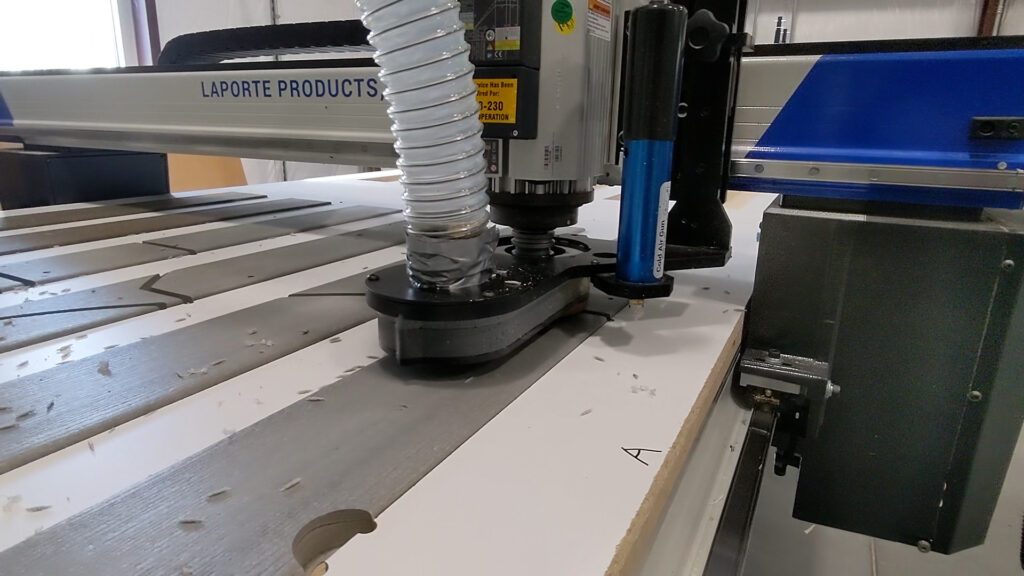
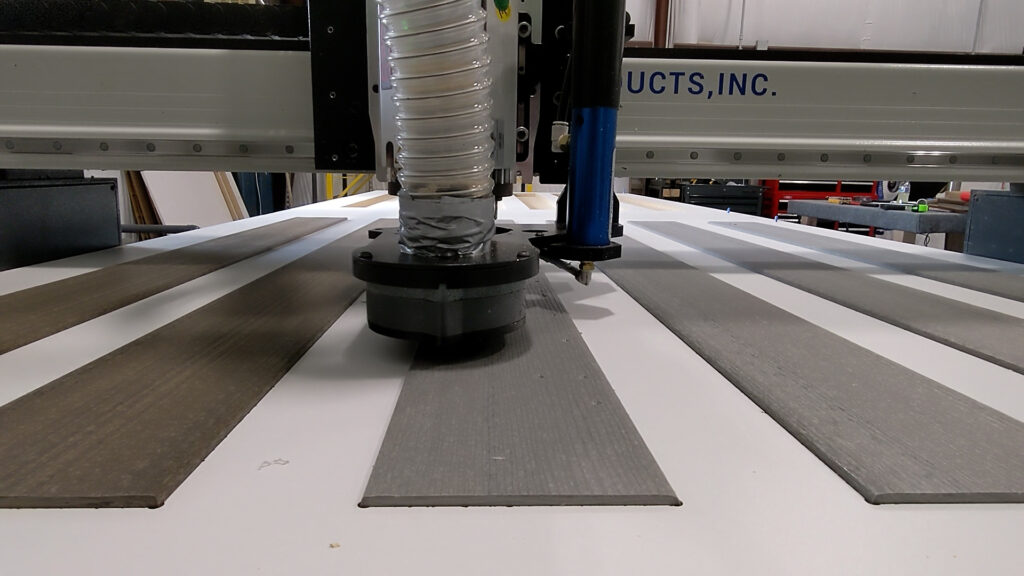
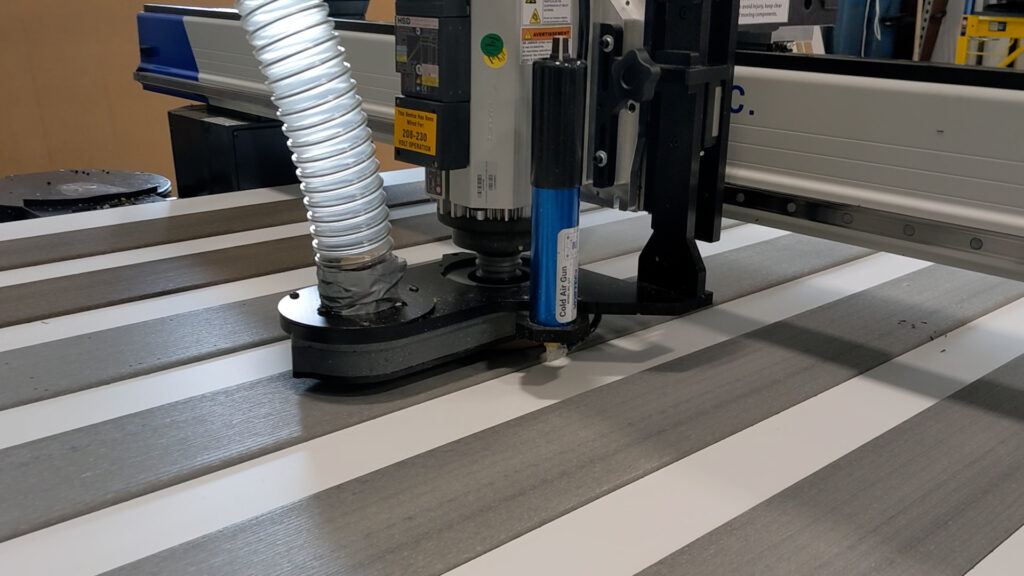
When Laporte Products set out to create a polycarbonate furniture line to go with their new umbrella, they weren’t just making chairs and tables—they were building a modular system. The goal? Interchangeable parts that worked across multiple products, making manufacturing more efficient while giving customers more flexibility. But bringing that vision to life required refining processes, learning new tools, and ensuring precision at every step.
From Digital Models to Precision Cuts
The design process started in Rhino 8, a tool the team already knew well. But getting from digital models to physical parts meant taking on new challenges. Each design had to be run through VCarve to finalize tooling before being cut on an AXYZ CNC router.
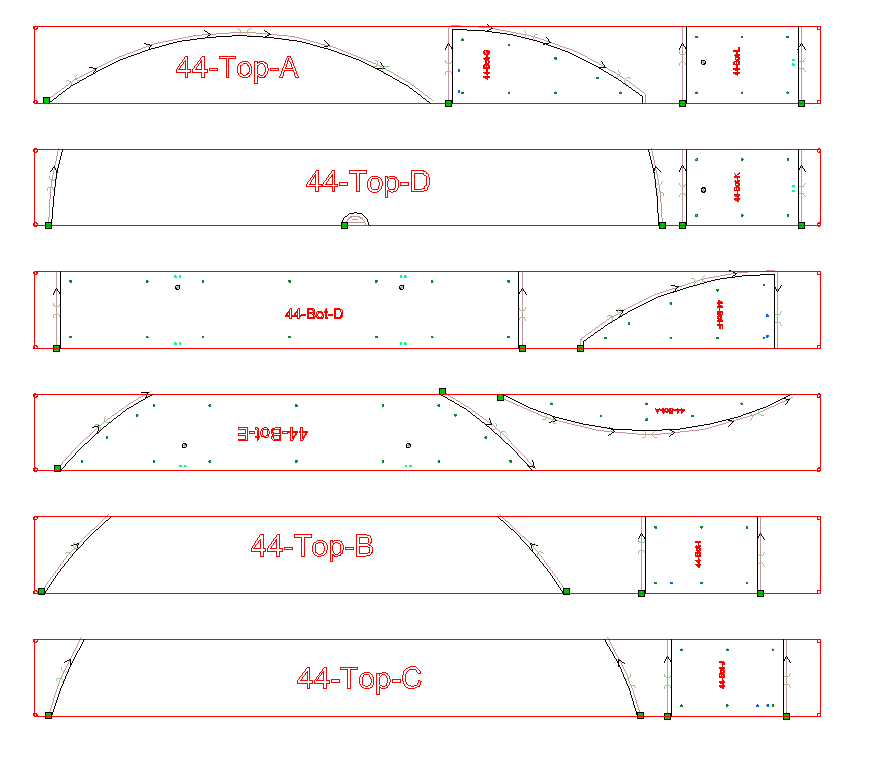
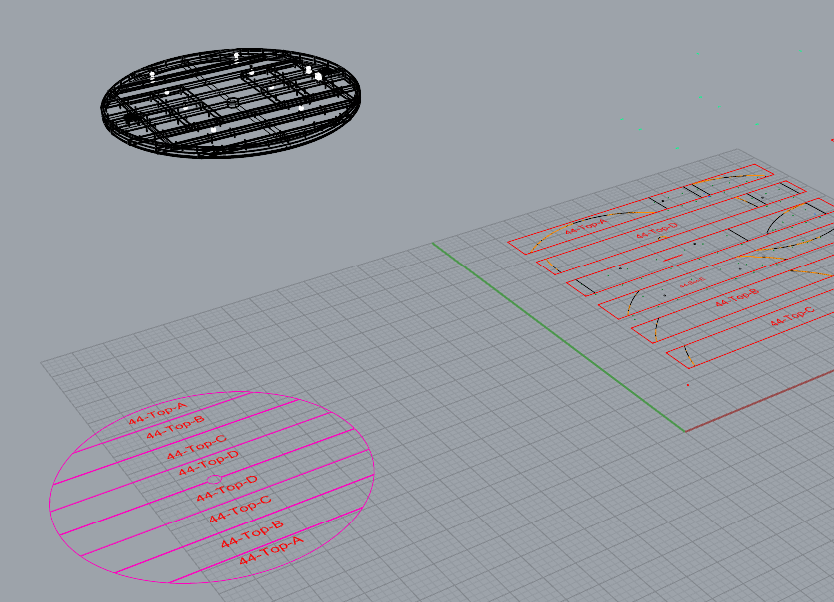
CNC machining opened up new possibilities, but it also came with a learning curve. Toolpaths, material hold-down strategies, and machine tolerances had to be dialed in through trial and error. Hands-on experimentation helped refine the process, ensuring each cut was clean, consistent, and repeatable.
Perfecting the Modular Fit
With the technical foundation in place, the next challenge was making the modular system work seamlessly. Every part had to fit precisely across multiple furniture pieces, meaning even minor misalignments weren’t an option.
To get it right, the team relied on digital simulations in Rhino to reduce the need for physical prototypes. Small-batch CNC testing helped confirm that parts clicked together as intended, ensuring consistency before full-scale production.
Streamlining Production for Scale
Efficiency wasn’t just about cutting the right shapes—it was about creating a repeatable process. The team developed standard operating procedures (SOPs) covering everything from material setup on the AXYZ router to final quality checks. These SOPs helped standardize production, keeping modular parts consistent across different manufacturing runs.
A Smarter Way to Build
By the time the first batch rolled out, the team had done more than create a furniture line. They had built a scalable, efficient system for designing and manufacturing modular furniture—one that delivered sleek, durable products while keeping production smooth and cost-effective.